
· 4 min read
Kigurumi: what exactly is it, and how do you choose the right one?
Japanese origins, how it differs from a footed onesie, fabric, fastening, size: everything you need to know before choosing your adult kigurumi.
- kigurumi
- adult onesie
- onesie
- buying guide
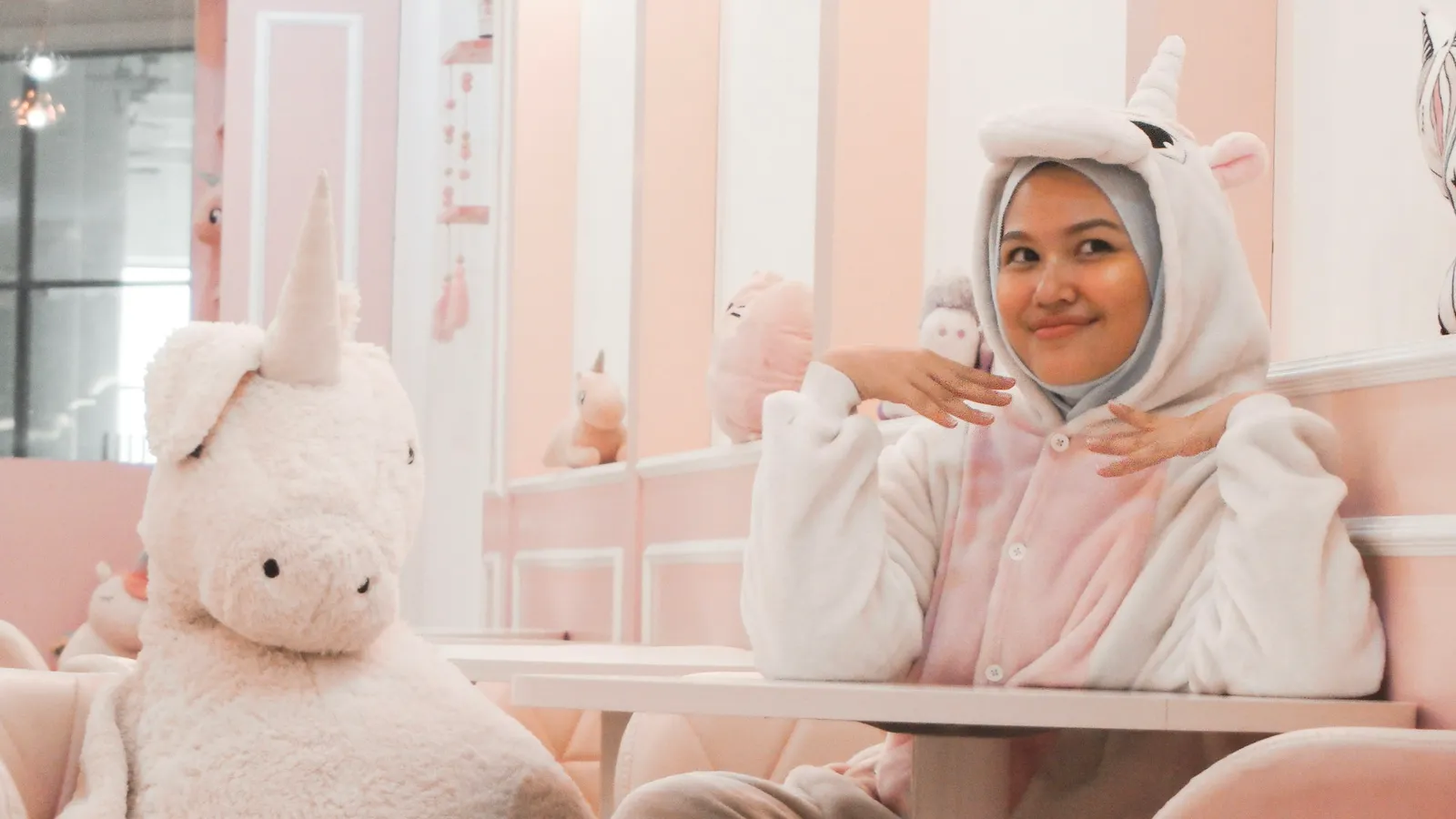
A kigurumi is a hooded one-piece onesie that turns you into an animal or a character: a shark, a giraffe, a monkey, a monster. The word comes from Japanese and literally means a soft toy you wear. To choose the right one, four things matter: the design, the fabric, the fastening and the size.
Where does the kigurumi come from?
The word brings together two Japanese terms: kiru (to wear clothing) and nuigurumi (a soft toy). Originally, it referred to the mascot costumes worn at events. By extension, it came to mean fleece onesies with an animal hood, which have become popular far beyond Japan.
You'll also come across "onesie" (the everyday English word for a one-piece), "all-in-one pyjamas" or "adult footed onesie". The words overlap, but not completely.
Kigurumi, footed onesie, monster pyjamas: the differences
- The footed onesie is first and foremost nightwear: one piece, often closed at the feet, fairly close-fitting.
- The kigurumi is a costume onesie: a hood with an animal face, ears, a tail or a fin, a roomy cut, usually without feet. You sleep in it, lounge in it, party in it.
- Monster pyjamas are a variation on the kigurumi, with a hood sporting horns and big embroidered eyes rather than a real animal.
For a more detailed comparison of comfort and warmth, see our article footed onesie or monster pyjamas for winter.
Criterion 1: the design, or the personality
It's the most fun choice, and it matters: you wear a kigurumi for the sheer joy of the effect. A few ideas depending on how you'll use it:
- For the sofa and TV nights: a soft, understated animal, like the Giraffe Kigurumi or the Monkey Kigurumi.
- To make people laugh: a hood that "swallows" your head, like the Shark Kigurumi, whose hood forms jaws lined with fabric teeth.
- For a themed party or a quick costume: a very graphic design that's recognisable at first glance. Our article on last-minute costumes makes the most of it.
Criterion 2: the fabric
Most kigurumis are made of fleece flannel, with a plush feel. Two things to look at:
- Thickness. A medium-weight flannel can be worn indoors all year round; a thick fleece is made for winter and chilly homes.
- How it feels against your skin. A kigurumi is often worn over just a T-shirt: the fabric needs to be soft on the inside too.
Our comparison of winter pyjama fabrics goes into the differences between flannel, fleece and cotton.
Criterion 3: the fastening
It's the detail you forget and then regret.
- Press studs all the way down the front let you open the onesie wide to step into it. That's the case with the Monkey and Giraffe Kigurumis.
- A zip is quicker to do up, and some styles add a handy low opening so you can go to the loo without taking everything off.
Either way, check that the fastening goes down far enough to get into the onesie without contortions.
Criterion 4: the size
You choose a kigurumi by height, in centimetres, not by your jeans or T-shirt size. Measure yourself standing up, barefoot, with your back against the wall, then compare with the size guide for the style you've chosen, as it can vary from one style to another.
The cut is deliberately roomy: between two sizes, take the larger one. A onesie that's too tight pulls at the shoulders when you raise your arms and rides up at the crotch. It's all explained in our guide to choosing the size of your adult onesie.
What about children?
Kigurumis also come in kids' sizes, and that's often where the "family" effect works best. A few habits to get into:
- the right size, with no legs or sleeves dragging that could trip them up on the stairs;
- away from flames: like any synthetic fabric, fleece should be kept away from candles, fireplaces and stoves;
- an adult nearby for getting dressed, fastenings and hoods;
- small parts under control: pompoms, press studs, sewn-on parts. Check them regularly and keep any part that comes loose out of reach of children under 3.
To dress the whole tribe, see also our guide to matching family pyjamas for Christmas.
Looking after it
Machine wash at 30 °C on a delicate cycle, with the onesie turned inside out and the fastening closed, then air dry. The tumble dryer and too much fabric softener flatten the flannel and rob it of its plush feel. The details are in our guide to washing fleece pyjamas.
In short
A kigurumi is a soft toy you wear: choose the design that makes you smile, a soft flannel suited to the season, a practical fastening and a size based on centimetres, one size up if in doubt. To see every style, browse the shop.
Cover photo: Sarah J. / Unsplash